
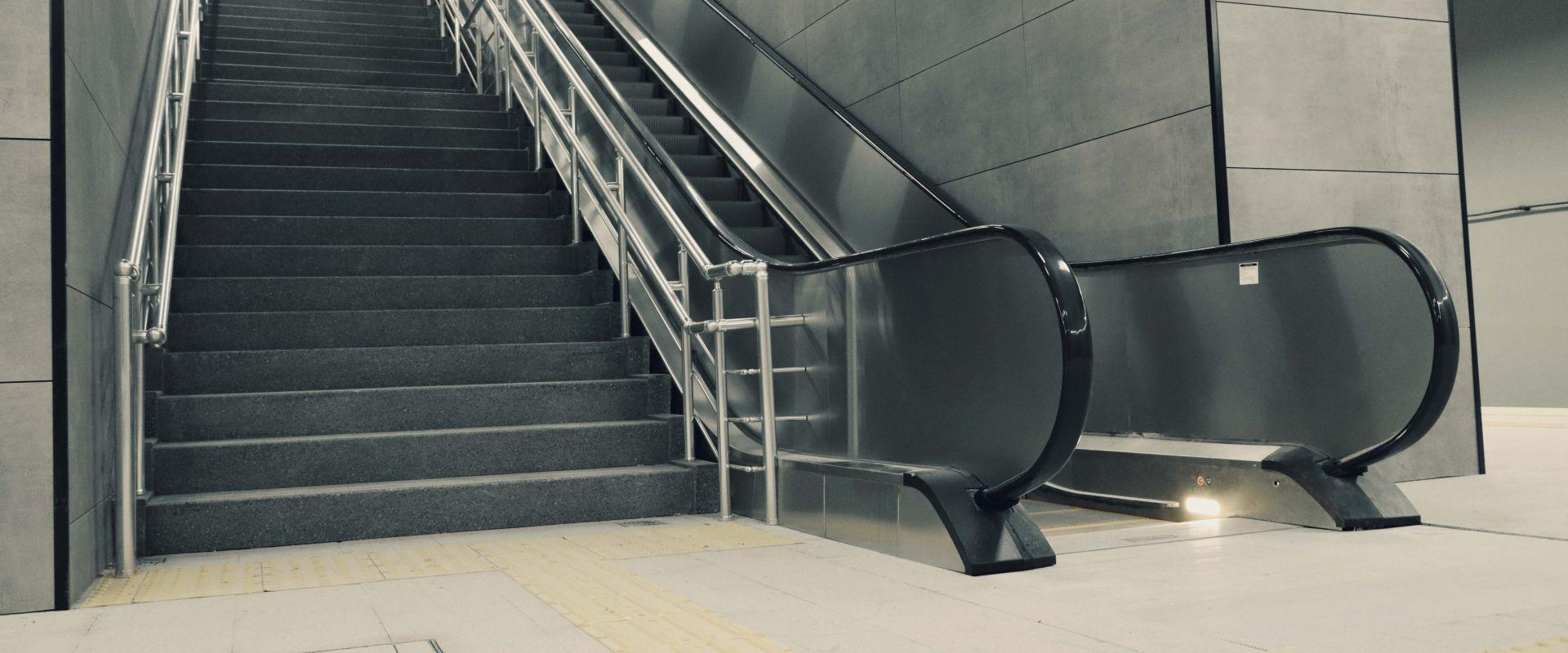
High-intensity public mobility
Stadium, metro and train station
Transit and stadium projects need robust passenger-flow planning across peaks, outdoor exposure, accessibility and service access.
- Peak passenger analysis
- Environmental exposure review
- Integrated accessible routes
Requirements shaped by public operation
Design for concentrated demand and exposed conditions
Stations and stadiums can move large groups in a short period, often with strong directional changes before and after an event or service arrival. Demand modeling should examine surges, transfer points, queue space and the relationship between vertical movement and platform or concourse capacity.
Equipment may face outdoor weather, carried dirt, intensive public use and the risk of deliberate damage. Site exposure, drainage interfaces, entrance protection, material choices and cleaning access should therefore be recorded explicitly rather than covered by a general heavy-duty description.
Elevators, escalators and moving walks must form an understandable network with accessible routes and wayfinding. Planning should also reserve safe service access and workable intervention zones, coordinated with the operator’s circulation, security and temporary route-management procedures.
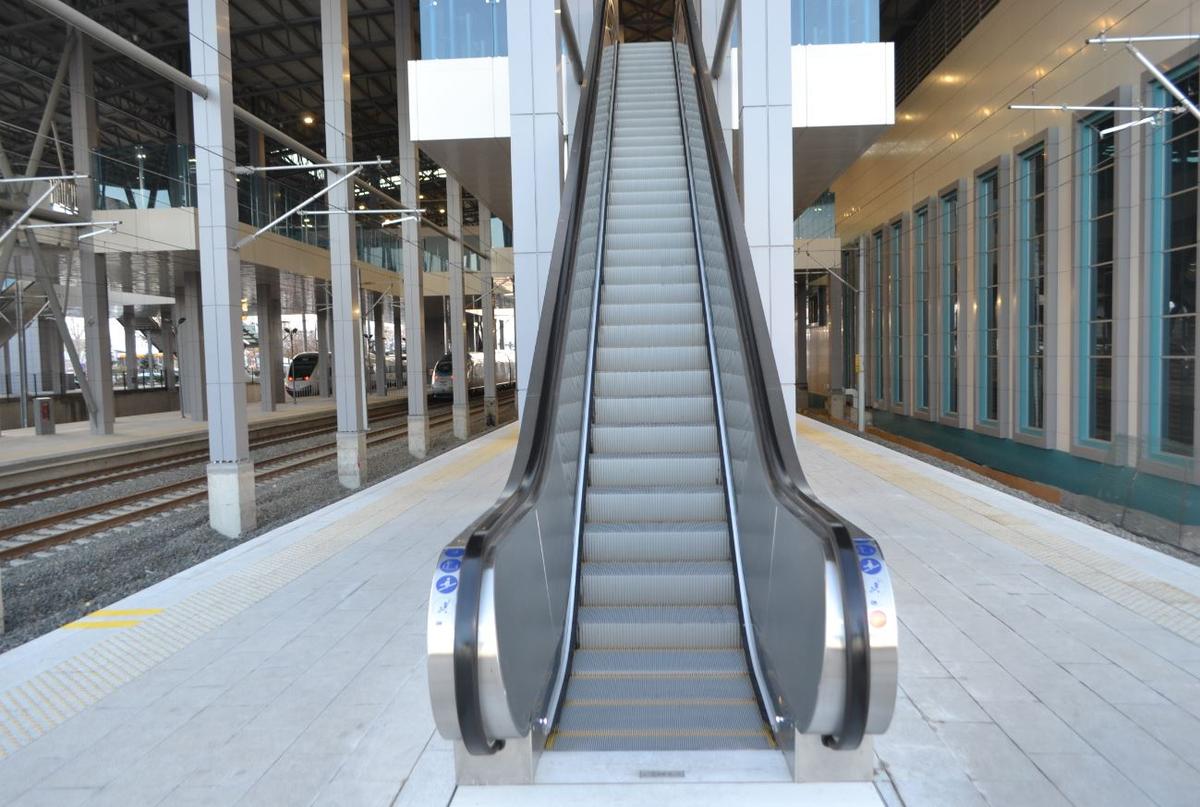
Transit and stadium planning inputs
- Peak profile
- Arrival waves, event release, transfers and directional demand.
- Site exposure
- Indoor or outdoor conditions, weather, dirt and public-use intensity.
- Mobility network
- Elevators, escalators, moving walks and connected accessible routes.
- Operator needs
- Wayfinding, security interfaces, service access and temporary routing.
Transit and stadium questions
Which passenger data is most useful?
Provide arrival and release profiles, direction changes, transfer points, queue constraints and any operating scenarios that concentrate demand unusually.
Can outdoor conditions change equipment choices?
Yes. Weather, carried dirt, drainage interfaces, temperature exposure and cleaning needs should be reviewed as project conditions during technical selection.
How should accessible routes be integrated?
They should connect the same key destinations clearly, with understandable wayfinding and operational planning alongside the main passenger-flow network.
Model the public movement challenge
Share peak-demand assumptions, route plans, environmental conditions and operator needs for a project-specific review.
