
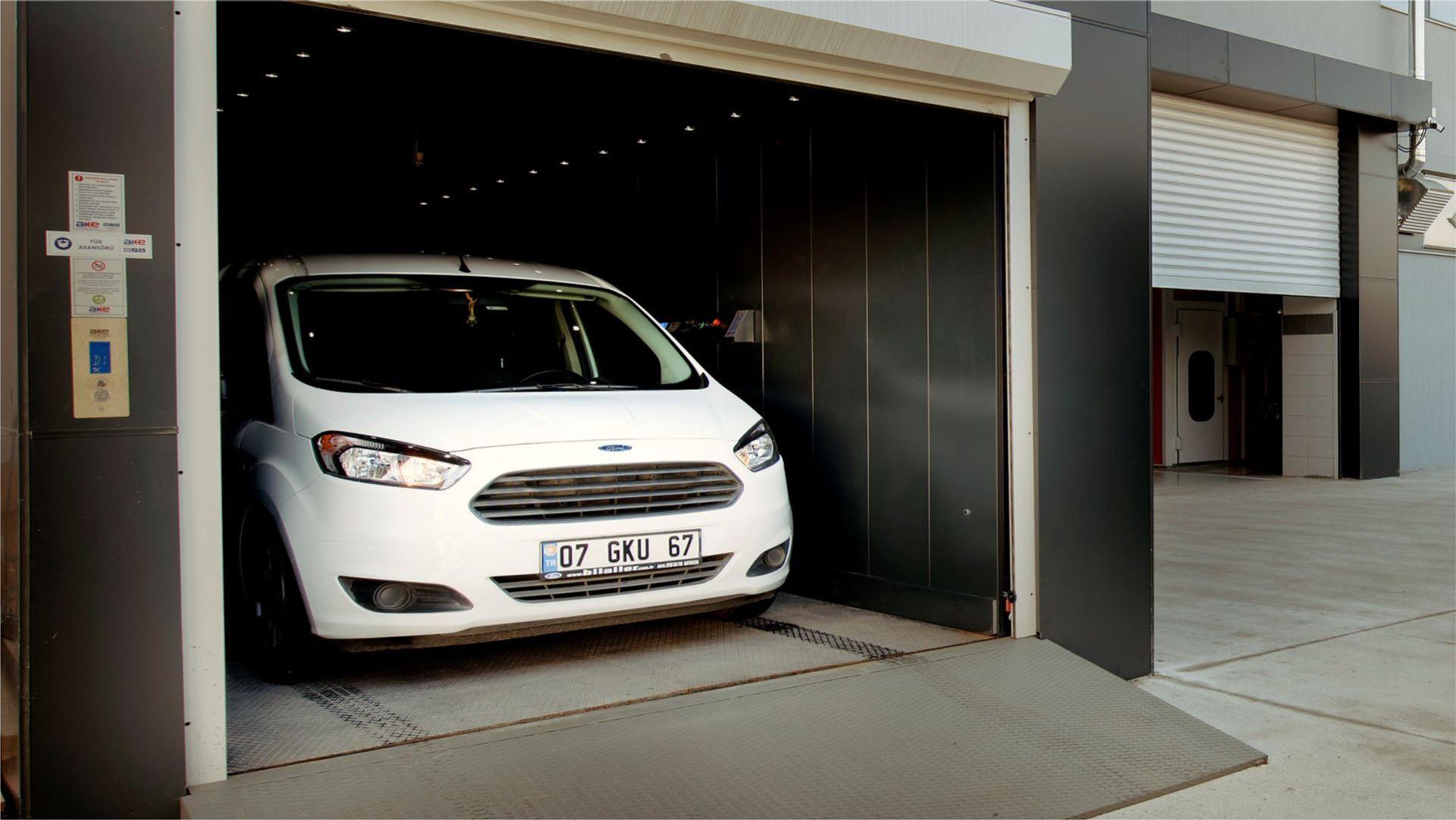
Material and service movement
Factory, restaurant and ship projects
Factories, logistics sites, restaurants and specialized facilities need elevator planning based on real loads, routes and operating conditions.
- Load and route definition
- Door and landing coordination
- Operating-condition review
Goods movement defined precisely
Start with what moves and how it is handled
Industrial and service elevator selection begins with the load itself. Dimensions, weight range, center of gravity, pallets, carts, containers, accompanying operators and daily movement frequency provide a more useful basis than the general labels factory, restaurant, warehouse or marine site.
The route must be documented from approach to destination. Door position and opening, landing clearances, floor interfaces, turning space, loading method and separation from pedestrian circulation can determine whether a proposed cabin and entrance arrangement will work in daily operation.
Site conditions add another decision layer. Cleaning regimes, food-service hygiene needs, dust, moisture, temperature, corrosion exposure, restricted installation access and maintenance windows should be declared early so engineering can assess materials, interfaces and serviceability for the specific environment.
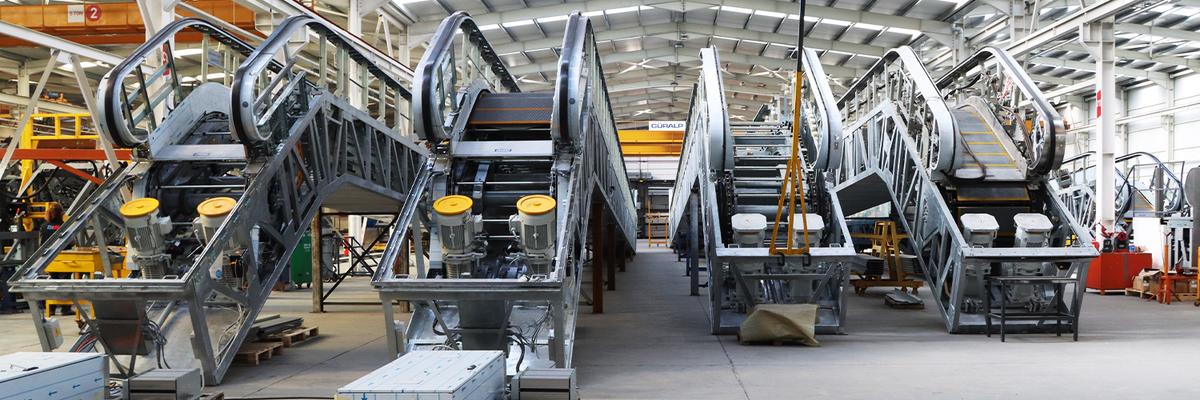
Industrial elevator project inputs
- Load definition
- Dimensions, weight range, handling equipment and accompanying people.
- Use pattern
- Trips, peak periods, loading time and operational dependencies.
- Route geometry
- Approaches, doors, landings, turns and destination connections.
- Environment
- Cleaning, moisture, dust, temperature, exposure and service access.
Industrial and freight elevator questions
Which load details are required?
Provide maximum working dimensions and weight, handling method, center-of-gravity concerns, accompanying people and the expected frequency of movement.
Why do site conditions matter?
Dust, moisture, cleaning, temperature and restricted access can affect technical interfaces, materials, installation planning and the future service approach.
Can specialized locations be assessed?
Yes, but suitability depends on a project-specific review of the environment, structure, operating requirements and interfaces rather than the location label alone.
Define your material-movement requirement
Share load data, route drawings, operating frequency and site conditions for a focused freight elevator assessment.
