
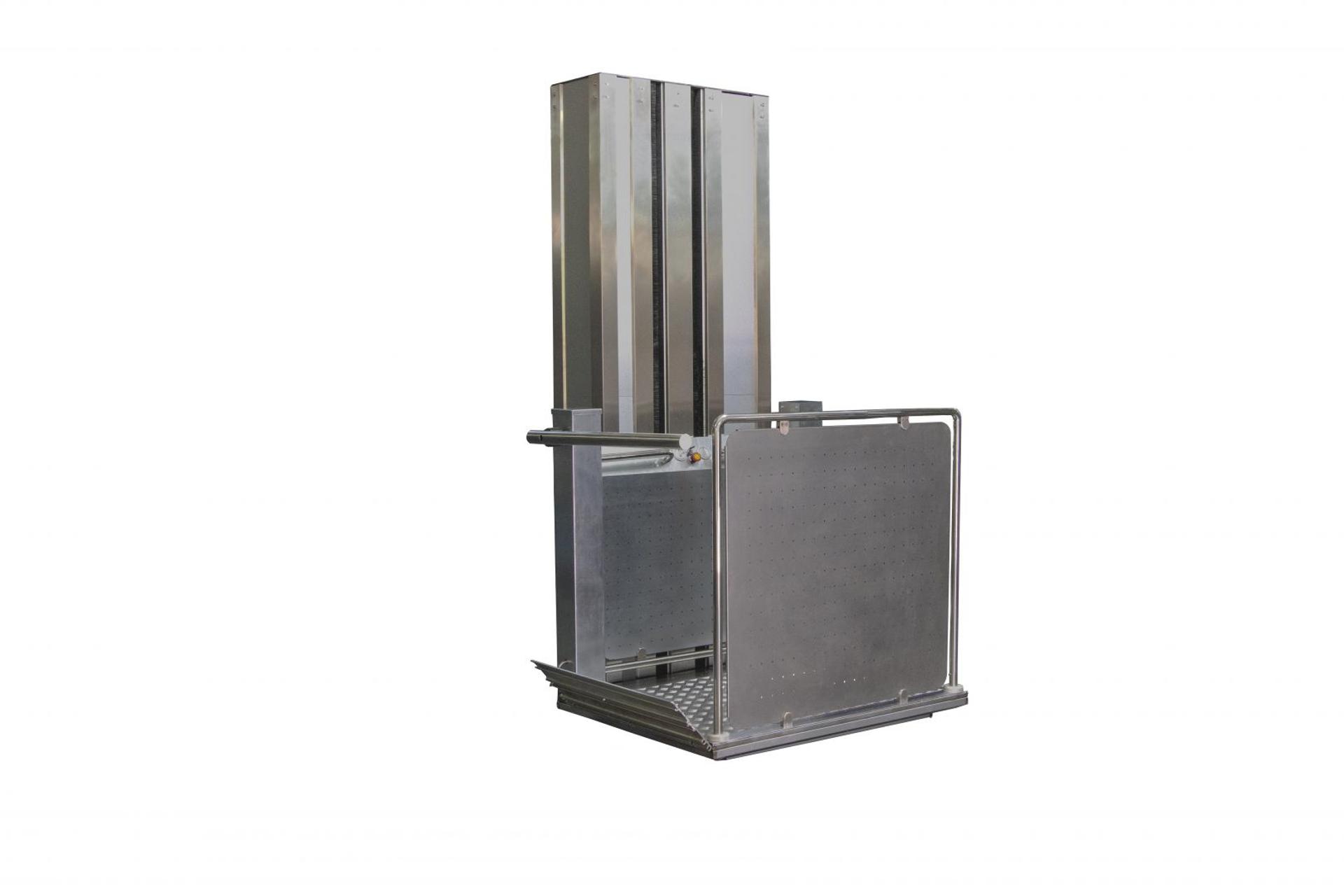
Engineering for non-standard conditions
Custom solutions
Custom solutions begin where unusual shafts, slopes, site geometry or operating needs require a documented feasibility review.
- Project-specific inputs
- Engineering feasibility review
- Defined solution boundaries
Custom means evidence-led
Turn an unusual condition into an engineering brief
A custom request should begin with the exact condition that prevents a standard solution from fitting. Reduced spaces, unusual shaft geometry, sloping terrain, complex landing arrangements, restricted access or a distinctive operating scenario each require different evidence and technical questions.
MY LIFT is a project path for constrained pit or headroom conditions, while inclined elevators address movement across sloping terrain. Both require project-specific review because geometry, intended use, structural interfaces, installation access and maintenance needs determine whether either direction is appropriate.
A feasibility review should state the input assumptions, interfaces, unresolved information and boundaries of the proposed concept. Structural responsibilities, architectural coordination, installation access, system use and maintenance access must remain visible so custom engineering does not shift hidden problems into later project stages.
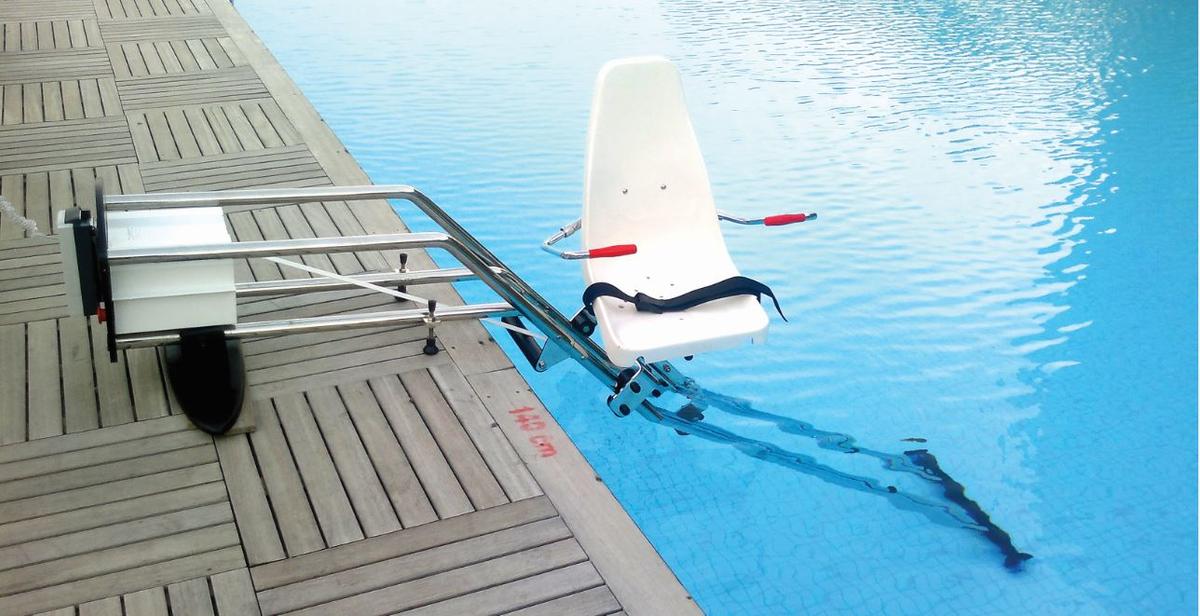
Custom-solution briefing inputs
- Non-standard condition
- Describe why established product and layout paths do not fit.
- Project evidence
- Provide drawings, dimensions, survey information and site photographs.
- Intended use
- Define users, loads, journey, frequency and operating environment.
- Project interfaces
- Identify structure, architecture, access, utilities and maintenance needs.
Custom engineering questions
When is a custom solution appropriate?
It is worth evaluating when a documented site or use constraint prevents an established product and layout path from meeting the project need.
What information supports feasibility review?
Provide accurate dimensions, plans, photographs, structural context, intended users, operating conditions and a clear description of the non-standard constraint.
Does review guarantee a feasible solution?
No. Engineering review determines whether an appropriate direction exists, which limits apply and what additional evidence or project changes are required.
Frame the non-standard challenge clearly
Share drawings, dimensions, intended use and the condition blocking a standard path for an initial engineering review.
