
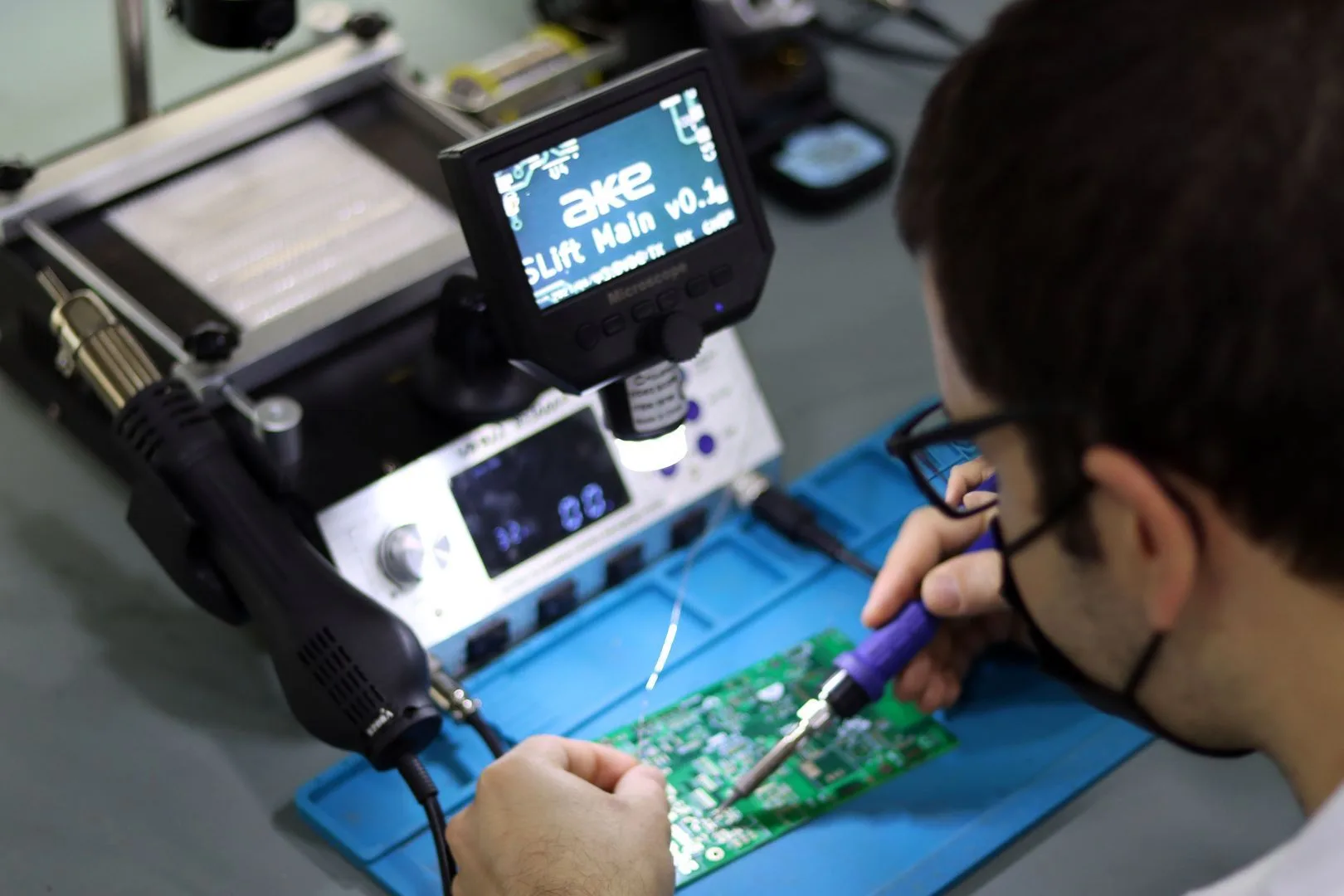
Maintenance and technical support planning
Service and maintenance
Service decisions start with equipment identity, operating history, site conditions and the building’s continuity requirements.
- Equipment-based assessment
- Maintenance and repair scope
- Spare-parts and upgrade paths
A service scope built from evidence
Define support around the installed equipment
A useful service review begins with a reliable asset picture. Equipment type, manufacturer information, location, configuration, operating intensity, technical documents and previous maintenance or repair records help distinguish an isolated issue from a recurring condition that needs broader investigation.
The support path may involve planned maintenance, fault diagnosis, repair, spare-parts assessment or modernization. Compatibility and scope should be confirmed from the installed system and available evidence before parts, timings or outcomes are discussed, especially when equipment has changed over its operating life.
Building operations shape how work can be delivered. Access rules, permitted work windows, passenger or goods dependencies, alternative routes and coordination with facility teams should be agreed as part of the service scope so technical activity and operational continuity are considered together.

Plan your next step
When maintenance findings call for a broader renewal assessment, review escalator modernisation planning with the system history, technical condition and operating constraints.
Information for a service review
- Equipment identity
- Product type, location, manufacturer data and configuration records.
- Observed condition
- Symptoms, timing, frequency, operating context and recent changes.
- Service history
- Maintenance, repairs, replaced parts and available technical documents.
- Site operations
- Access, work windows, critical use and available alternative routes.
Separate elevator maintenance, repair and renewal
- Planned maintenance
- Compare the visit scope, records supplied and approval process for additional work. Define the visit plan using the equipment documents and the agreed service scope.
- Fault diagnosis and repair
- Record the reported symptom, technical diagnosis and proposed intervention separately. Clarify how visits, labour and replacement parts are treated in the quotation.
- Recurring problems
- Review previous interventions and component changes together. Compare a targeted repair with a broader upgrade against the condition of the installed system.
Route the request to the installed product family
Elevator systems: share cabin, landing, door and control information with the available equipment records. A product-family description does not replace the installed model and configuration.
Escalators and moving walks: identify the equipment, location, operating environment and observed condition. Explain how the route is used so work windows can be planned around building operations.
Vertical platform lifts: identify the platform type, entrances and current access route. Link the accessibility requirement and service assessment to the same equipment record.
Spare parts requests need the component code, label and equipment reference. For recurring issues, also review the Modernization path and discuss maintenance, repair and renewal as separate scopes.
Service and maintenance questions
What should a service request include?
Include equipment identity, exact location, observed symptoms, when they occur, recent work and any photos or records that can be shared safely.
Can non-AKE equipment be assessed?
Assessment is handled case by case. Equipment identity, configuration, technical records, site condition and currently available technical resources determine whether AKE can define a suitable support scope.
How are spare-parts needs confirmed?
Part selection requires equipment and component identification, compatibility review and an understanding of whether the observed condition has another underlying cause.
Start with the equipment facts
Share the asset identity, observed condition, service history and site constraints for an appropriately routed technical review.
