
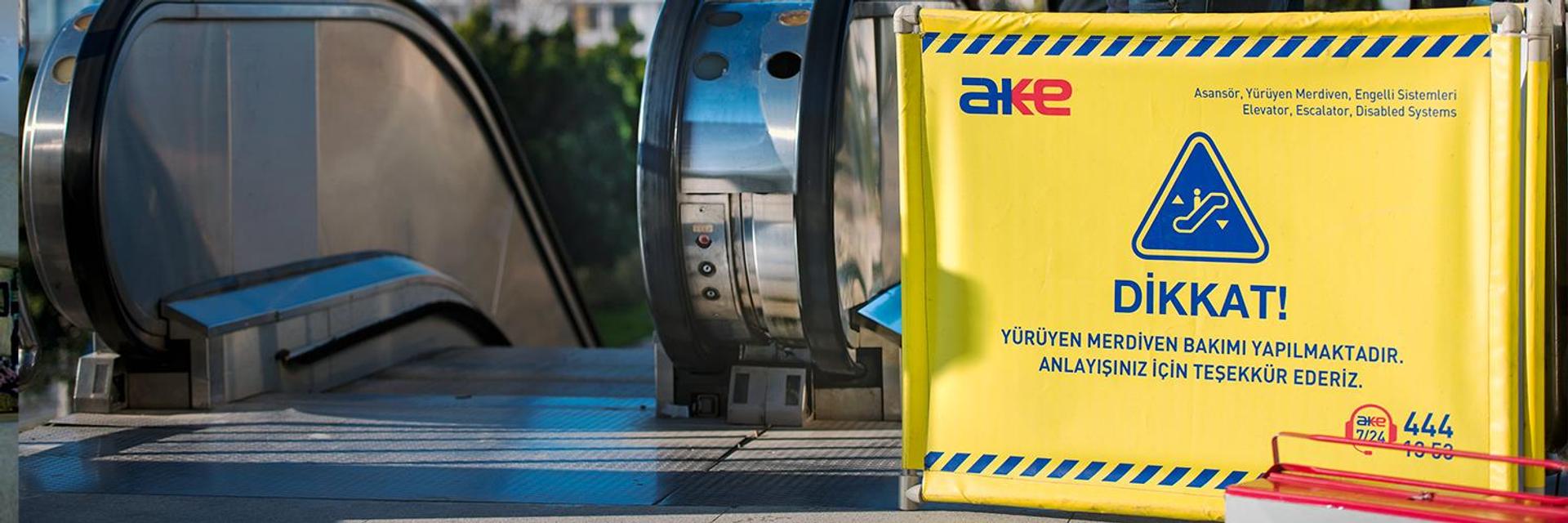
Upgrade planning for existing systems
Modernization
Modernization aligns safety, performance, accessibility, energy and appearance priorities with the condition of existing equipment.
- Existing-system assessment
- Prioritized upgrade scope
- Operational transition planning
A condition-led upgrade process
Build the modernization case from the current system
Modernization starts with understanding what is installed, how it is used and where performance no longer meets the building’s needs. Equipment records, condition observations, fault history, user feedback and site interfaces create the baseline for an informed upgrade discussion.
Potential objectives include addressing safety concerns, improving reliability or ride experience, supporting accessible use, reducing avoidable energy demand and refreshing worn interiors. These goals should be prioritized against evidence because a cosmetic change, component replacement and broader system renewal solve different problems.
The plan also needs a practical transition from current operation to upgraded service. Survey access, design dependencies, component interfaces, work sequencing, temporary closures, testing and handover information should be coordinated with the building team before the final scope is agreed.
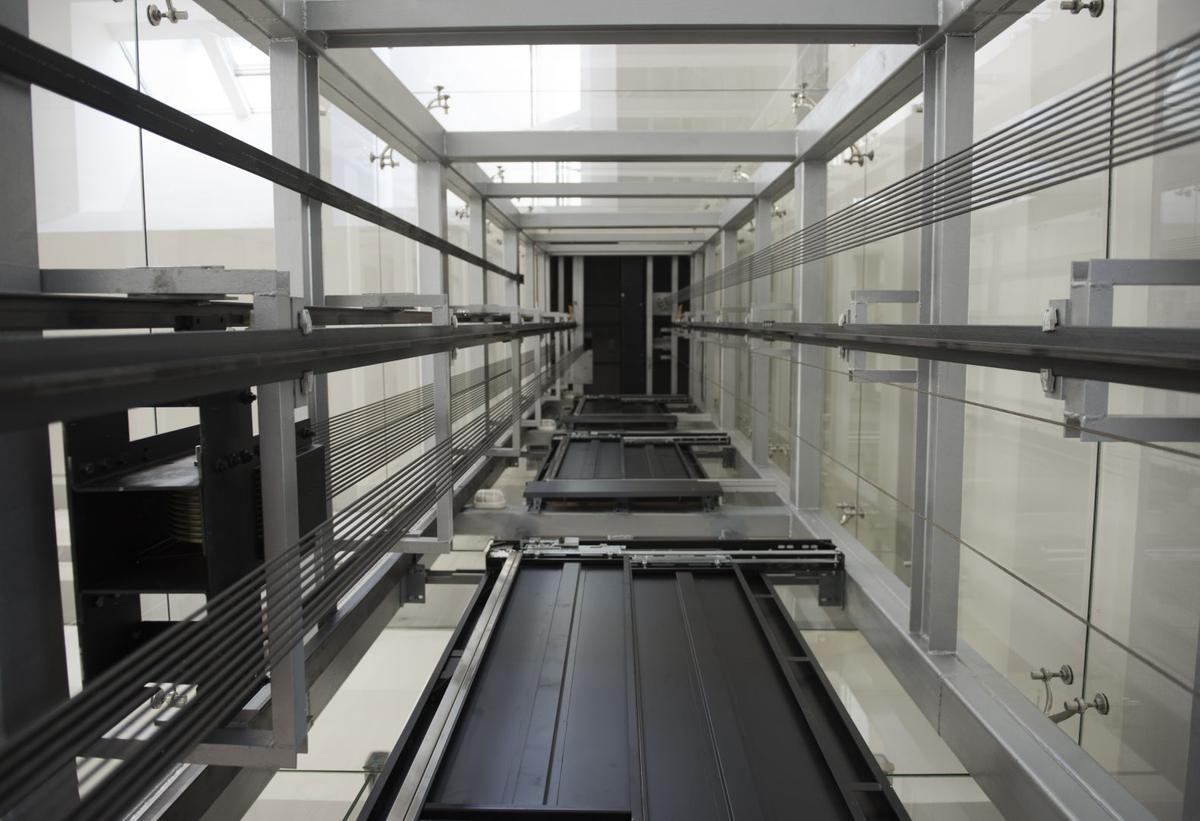
Modernization assessment points
- Existing system
- Equipment identity, age-related condition, configuration and records.
- Upgrade drivers
- Safety, reliability, access, energy, comfort or appearance priorities.
- Scope logic
- Targeted components, coordinated packages or broader system renewal.
- Delivery planning
- Access, sequencing, closures, testing and building communication.
Modernization questions
What is the first modernization step?
Gather equipment records and operating history, then arrange a condition-led technical review that connects observed issues with the building’s priorities.
Does modernization mean replacing everything?
Not necessarily. The justified scope may target specific components or coordinated packages, depending on condition, compatibility, objectives and lifecycle considerations.
How is building operation protected?
Work windows, temporary closures, alternative routes, sequencing and stakeholder communication should be planned around the agreed technical scope and site needs.
Define a practical modernization roadmap
Share equipment records, observed issues and building priorities so AKE can frame the appropriate assessment and upgrade path.
